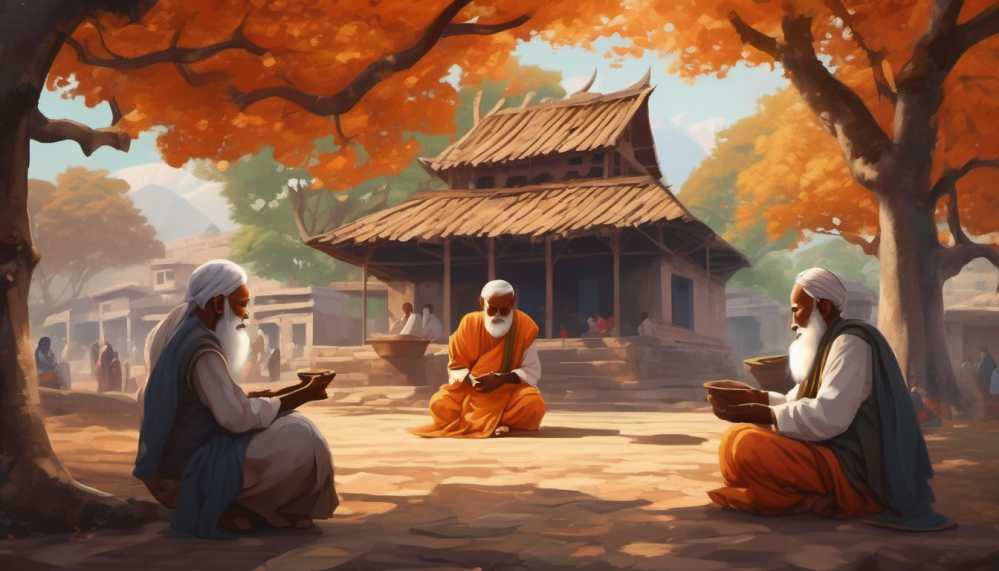
- Moments of triumph unfold from hardship to lasting glory and recognition
- The Crucible of Adversity
- The Role of Resilience
- Defining Moments and Lasting Legacies
- The Power of Storytelling
- The Subjectivity of Honor
- Cultural Variations in Recognition
- The Modern Pursuit of Recognition
- Beyond Accolades: The Intrinsic Worth of Effort
Moments of triumph unfold from hardship to lasting glory and recognition
The pursuit of lasting achievement is a fundamental element of the human experience. Throughout history, individuals and societies have strived for recognition, honor, and a sense of purpose that transcends the everyday. This drive often involves overcoming significant obstacles, enduring hardship, and demonstrating exceptional skill or character. It is through these trials that true glory is forged, not simply bestowed. The narratives that endure, the legacies that inspire, are almost always those built on a foundation of resilience and unwavering dedication.
However, the concept of triumph isn't static or universally defined. What constitutes a moment of honor for one person or culture may differ considerably from another. It can encompass artistic mastery, scientific discovery, athletic prowess, selfless service, or even profound moral courage. The value placed on these achievements is shaped by societal norms, historical context, and individual perspectives. Ultimately, achieving something truly memorable isn't about the applause or accolades, but about the personal satisfaction derived from pushing boundaries and reaching one's full potential, leaving a positive impact on the world.
The Crucible of Adversity
Often, the most impactful moments of triumph arise from the depths of difficulty. History is replete with examples of individuals who transformed personal tragedy or societal injustice into catalysts for positive change. Consider the struggles faced by civil rights leaders, the sacrifices made by groundbreaking scientists, or the perseverance of artists who defied convention. These individuals didn’t seek out hardship, but they responded to it with remarkable fortitude and determination. The challenges they encountered served as refining fires, stripping away superficiality and revealing the core of their character. The intensity of the struggle often amplifies the eventual reward, enhancing the perception of honor and significance. It's the contrast between past suffering and present success that makes the achievement so compelling.
The Role of Resilience
Resilience, the capacity to recover quickly from difficulties, is a crucial ingredient in the recipe for distinction. It is not merely about bouncing back to a previous state, but about adapting and growing stronger in the face of adversity. Individuals who possess a high degree of resilience are able to view setbacks not as failures, but as opportunities for learning and improvement. This mindset allows them to persevere through challenging times, maintaining a sense of hope and optimism even when the odds seem stacked against them. They understand that temporary defeats are inevitable and that true success often requires multiple attempts and unwavering commitment.
| Characteristic | Description |
|---|---|
| Optimism | Maintaining a positive outlook even in challenging situations. |
| Adaptability | Adjusting to changing circumstances and finding new solutions. |
| Persistence | Continuing to strive towards goals despite obstacles. |
| Self-Awareness | Understanding one's strengths and weaknesses. |
The ability to learn from mistakes, seek support from others, and maintain a strong sense of self-belief are all hallmarks of resilience. This fundamental character trait is just as vital, if not more so, than any innate talent or skill.
Defining Moments and Lasting Legacies
Certain events and accomplishments transcend the boundaries of time and culture, becoming ingrained in the collective memory of humanity. These defining moments often represent breakthroughs in human understanding, acts of extraordinary courage, or artistic creations of profound beauty. The moon landing, the abolition of slavery, and the invention of the printing press are just a few examples of achievements that have fundamentally altered the course of history. The individuals associated with these pivotal moments are often celebrated for generations, their names becoming synonymous with innovation, progress, and inspiration. But it’s important to remember that even these grand achievements were often the result of countless smaller contributions and collaborative efforts.
The Power of Storytelling
The way we narrate and remember achievements plays a critical role in shaping their enduring significance. Stories have the power to connect us to the past, transmit cultural values, and inspire future generations. The narrative surrounding an event can elevate it to the level of myth, transforming it into a symbol of hope, courage, or resilience. Consider the enduring appeal of epic poems, historical dramas, and biographical accounts. These narratives often focus not only on the accomplishments themselves, but also on the struggles, sacrifices, and personal qualities of the individuals involved. They remind us that honor is not merely about achieving a desired outcome, but about the journey and the values that guide us along the way.
- Stories provide context and meaning to achievements.
- They help us understand the motivations and challenges faced by those who have come before us.
- They inspire us to pursue our own goals and overcome obstacles.
- They transmit cultural values and shape our collective identity.
The careful construction of a narrative – how we choose to frame an event – is as important as the event itself. A compelling story ensures that a moment of honor will be remembered and shared for years to come.
The Subjectivity of Honor
Despite the universal appeal of recognizing and celebrating achievement, the definition of what constitutes an honorable act or accomplishment is often subjective and culturally dependent. What is considered admirable in one society may be viewed with skepticism or even disapproval in another. For example, a culture that values individual achievement may prioritize entrepreneurial success, while a culture that emphasizes collective harmony may prioritize community service. Similarly, the criteria for assessing artistic merit can vary widely depending on aesthetic preferences and historical context. This inherent subjectivity does not diminish the value of achieving distinction; rather, it highlights the importance of understanding and respecting diverse perspectives.
Cultural Variations in Recognition
The forms of recognition and celebration also vary significantly across cultures. Some societies bestow honors through elaborate ceremonies and public displays of gratitude, while others prefer more understated forms of acknowledgment. In some cultures, ancestry and lineage play a prominent role in determining social status and prestige, while in others, individual merit is the primary basis for recognition. Understanding these cultural nuances is essential for avoiding misunderstandings and fostering cross-cultural appreciation. It also underscores the idea that there isn’t a single, definitive path to achieving distinction; there are many different ways to make a meaningful contribution to the world.
- Recognition can be formal (awards, titles) or informal (public praise, community support).
- Cultural norms influence the types of achievements that are valued.
- The criteria for assessing merit can vary depending on historical context.
- Respecting diverse perspectives is crucial for fostering cross-cultural understanding.
Acknowledging the inherent subjectivity of honor allows us to appreciate the richness and complexity of human experience. It encourages us to look beyond our own cultural biases and embrace a more inclusive and nuanced understanding of achievement.
The Modern Pursuit of Recognition
In the modern era, the pursuit of distinction is often amplified by the pervasive influence of media and social media. The desire for external validation can lead individuals to prioritize public perception over personal fulfillment, chasing likes, followers, and fleeting moments of online fame. This can create a culture of superficiality and competition, where genuine achievement is overshadowed by self-promotion and manufactured narratives. While social media can certainly be a powerful tool for connecting with others and sharing one’s accomplishments, it is important to maintain a healthy sense of perspective and resist the temptation to equate online popularity with true honor. Authenticity and integrity remain essential qualities in any meaningful pursuit of recognition.
It’s easy to fall into the trap of comparing oneself to others, particularly in the curated and often unrealistic world of social media. However, true distinction comes from focusing on one's own unique talents and passions, striving for excellence, and making a positive impact on the world. This requires self-awareness, discipline, and a willingness to embrace challenges. It’s about defining success on one’s own terms, rather than conforming to external expectations.
Beyond Accolades: The Intrinsic Worth of Effort
Ultimately, the most profound moments of honor aren’t necessarily those that are publicly celebrated, but those that are deeply meaningful to the individual. The satisfaction derived from overcoming a personal challenge, mastering a new skill, or making a positive difference in the lives of others can be far more rewarding than any external accolade. This intrinsic sense of fulfillment is not dependent on the approval of others; it arises from a deep-seated sense of purpose and self-worth. It represents a quiet, internal triumph that sustains us through difficult times and inspires us to continue striving for excellence. It’s a testament to the human spirit’s capacity for resilience, creativity, and compassion.
Consider the dedication of a teacher who tirelessly supports their students, the commitment of a caregiver who provides comfort and assistance to a loved one, or the passion of a volunteer who dedicates their time to a worthy cause. These acts of selfless service may not garner widespread recognition, but they represent a powerful form of honor—a testament to the inherent goodness of humanity and the enduring power of kindness. These are the quiet achievements that build stronger communities and create a more compassionate world.